
Silence Is Golden
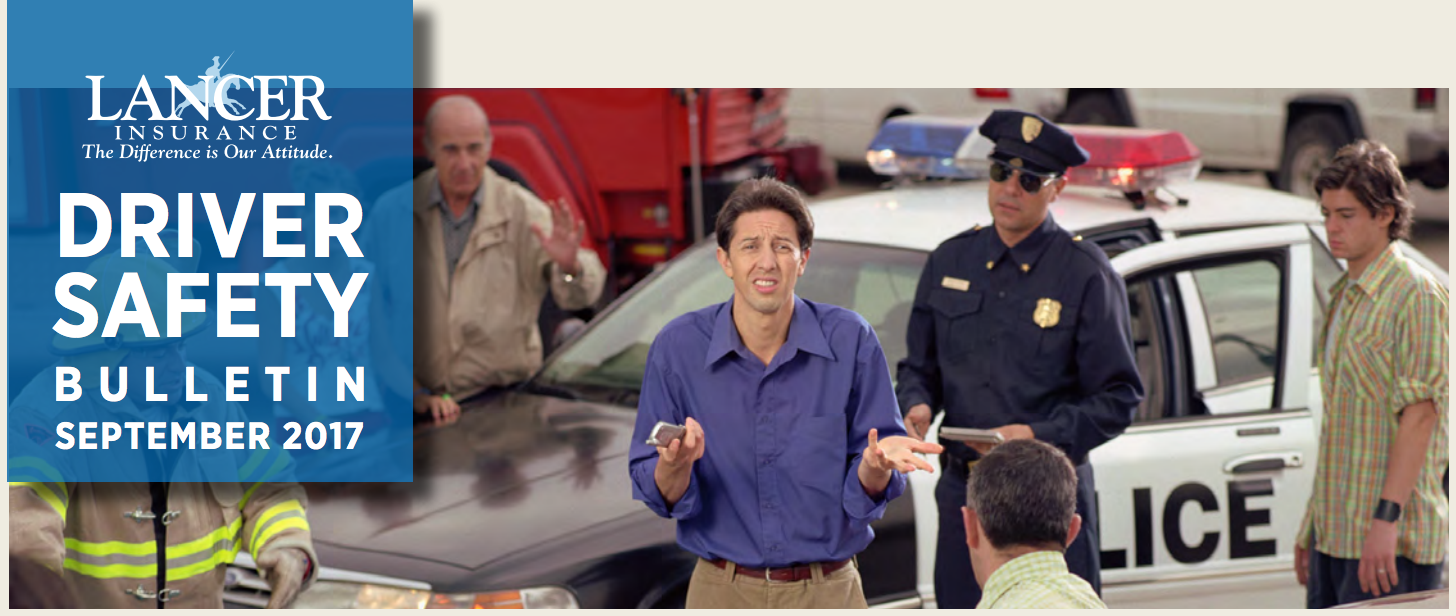 Despite being an experienced professional driver, there’s a possibility that you’ll be involved in a motor vehicle accident at some point in your driving career. The best thing that you can do to legally protect yourself and your company after an accident is to let the experts decide who bears fault. And, that starts with knowing what NOT to say at the scene of an accident.
The moments after a crash can be a stressful and confusing time, and there may be a natural tendency to want to verbally defend yourself. But, anything you say can and may be used against you in a court of law. Lancer’s simple advice: No excuses, explanations, apologies, and no guesses or estimates of what you think might have happened should be shared with anyone at the accident scene.
Keep your conversations with the other driver(s) and anyone in the other vehicle(s) to a minimum. Be professional and courteous – you’re still on duty and still representing your company – but steer clear of discussing what happened or who may have been at fault. Even a simple “I’m sorry” could ultimately create problems in a subsequent claim or lawsuit. Don’t argue your version of the story, make any accusatory statements or ask any questions, such as “Didn’t you see the stop sign?” that hint at fault. If another driver is blaming you for the accident, don’t let them pressure you into admitting fault, and avoid coercing other drivers into doing so, even if you feel they are to blame. Simply exchange contact, company and insurance information. If the conversation gets too heated, politely walk away and use the time waiting for police to arrive to gather information (e.g., date, time and location of the accident; weather conditions; property damage; injured person(s); and witnesses) and photograph the accident scene.
When speaking with witnesses and/or passengers (if applicable), again, be professional and courteous. Your behavior may determine whether their testimony is in your favor or not. Let them know that laws require you to report accidents, and request their name, phone number, email address, and license plate number, if applicable. Keep the interaction brief, and avoid manipulating or coaching them on what to say.
The same behavior applies when speaking to police – remain polite and don’t make any statements or sign anything. Simply provide what you are legally mandated to furnish – your name, address, driver’s license number, company name, company address, operating authority number, insurance I.D. card, and, cargo information and shipping documents, if applicable.
Importantly, regardless of who is to blame, report all accidents to Lancer Insurance Company immediately and let our claim experts consider all the evidence to determine who was at fault and take an appropriate course of action.